Sleep & Cortisol Regulation Roadmap - Digital Guide
Sleep & Cortisol Regulation Roadmap - Digital Guide
- Published on : 3 Aug, 2026
- Category : Sleep Health & Stress Management
- By : Cure Cult
- Synopsis : Discover how chronic stress and elevated cortisol affect sleep, metabolism, and nervous system balance. This practical guide shares evidence-informed lifestyle strategies, sleep hygiene practices, breathing exercises, and naturopathic approaches to support relaxation and long-term stress regulation.
- Sleep health
- Cortisol, stress management
- Nervous system regulation
- Sleep hygiene
- Chronic stress,
- Autonomic nervous system
- Burnout recovery
- Circadian rhythm
- Cortisol regulation
- Naturopathy
- Neurotherapy
- Relaxation techniques
A Science-Informed Guide to Better Sleep, Stress Recovery, and Long-Term Metabolic Health
Focus: Autonomic Nervous System Regulation & Sleep Optimisation
Core Modalities: Neural Regulation Therapy (Neurotherapy) & Naturopathic Mind-Body Medicine
Objective: To help you understand how chronic stress affects your nervous system, sleep, metabolism, and overall wellbeing, while providing practical, evidence-informed strategies to support your body's natural recovery processes.
The Physiology of Chronic Stress & Visceral Fat
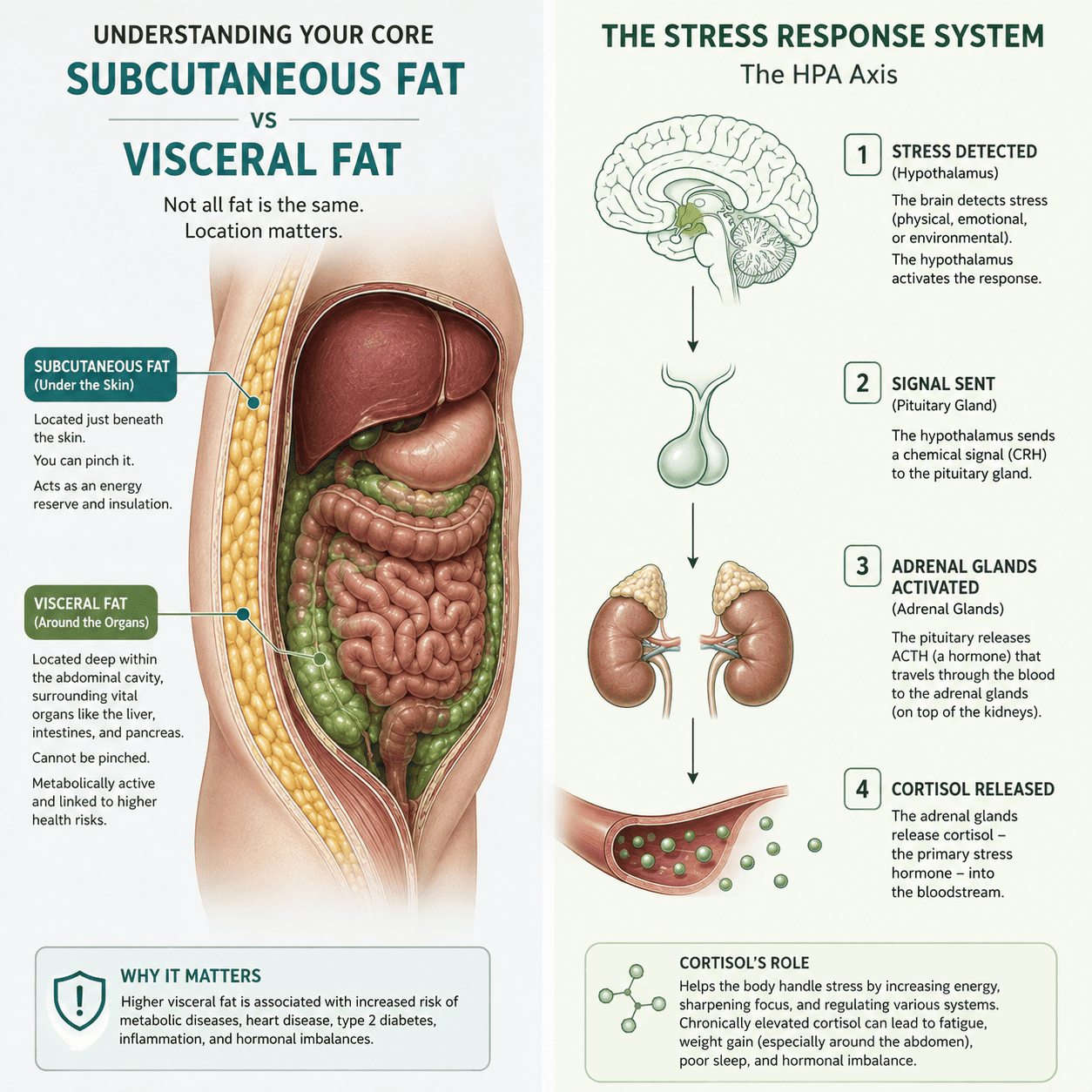
As highlighted in our video, your belly isn’t just storing excess calories. It is a physical marker of the chronic stress and survival mode that your body has been enduring for a long time.
1. The Myth vs. The Medical Science
- The Internet Claim: Social media channels frequently label stubborn abdominal weight as pockets of literal "Cortisol Waste."
- The Medical Reality: Visceral belly fat is not a literal accumulation of discarded hormones. However, the true science is much deeper: when you live in a continuous state of anxiety, your brain relentlessly triggers the adrenal glands to pump out cortisol. This chemical command forces your body to hoard deep visceral fat around your vital organs as a biological defense mechanism.
2. The Numbers: Abdominal Obesity & Stress in India
Epidemiological data from major Indian clinical journals highlights a steep rise in metabolic stress. Modern lifestyle shifts have made abdominal obesity a silent epidemic across corporate hubs in India.
- The Corporate Metric: Recent health screenings across major Indian metro cities (Delhi-NCR, Mumbai, and Bengaluru) indicate that over 60–65% of urban working professionals present with significant visceral adiposity (deep abdominal fat accumulation).
- The Modern Epidemic: The World Health Organization (WHO) highlights that South Asians naturally have a higher genetic tendency to accumulate visceral fat rather than subcutaneous fat, making stress-induced cortisol management a critical health priority for Indians.
- The Gender Dynamic: Clinical data tracking metabolic syndrome in India shows that urban women experiencing high perceived stress scores are significantly more prone to central obesity compared to their peers with balanced stress baselines.
- The Lock Mechanism: When your central nervous system remains hyper-activated in a sympathetic flight state, traditional weight loss approaches often hit a wall because the body refuses to drop weight until it feels fundamentally safe.
What Is Cortisol?
Cortisol is not a "villain"—it is one of your body's most essential survival hormones, produced by the adrenal glands to manage vital daily operations:
- Morning Drive: Generates the natural alertness needed to wake up energized.
- Metabolic Control: Regulates blood pressure and balances blood glucose levels.
- Systemic Protection: Controls cellular inflammation and mobilizes rapid energy during challenges.
In a healthy system, cortisol follows a strict circadian rhythm. It peaks around 8:00 AM to power your morning and gradually falls to its lowest level late in the evening, allowing melatonin (your sleep hormone) to initiate deep recovery.
The problem is never cortisol itself. The issue begins when modern routines keep the body under perpetual threat, preventing the nervous system from switching the stress response off.
The HPA Axis: Stuck in Survival Mode
When your brain perceives a threat—whether it is an oncoming vehicle or a high-pressure work deadline—it activates the Hypothalamic-Pituitary-Adrenal (HPA) Axis. Within moments:
- Hormones Cascade: Signals travel to the adrenal glands, flooding cortisol into the bloodstream.
- Energy Mobilizes: Heart rate and blood sugar rise to prepare your muscles and brain for immediate action.
- Resources Shift: Digestion, immunity, tissue repair, and other long-term maintenance functions are temporarily reduced so survival becomes the body's priority.
While highly effective during short-term emergencies, the brain treats modern stressors—deadlines, financial worries, relationship conflicts, and endless notifications—in exactly the same way. When these persist for months or years, the body remains trapped in a prolonged state of hyper-alertness.
The Chronic Stress–Sleep Cycle
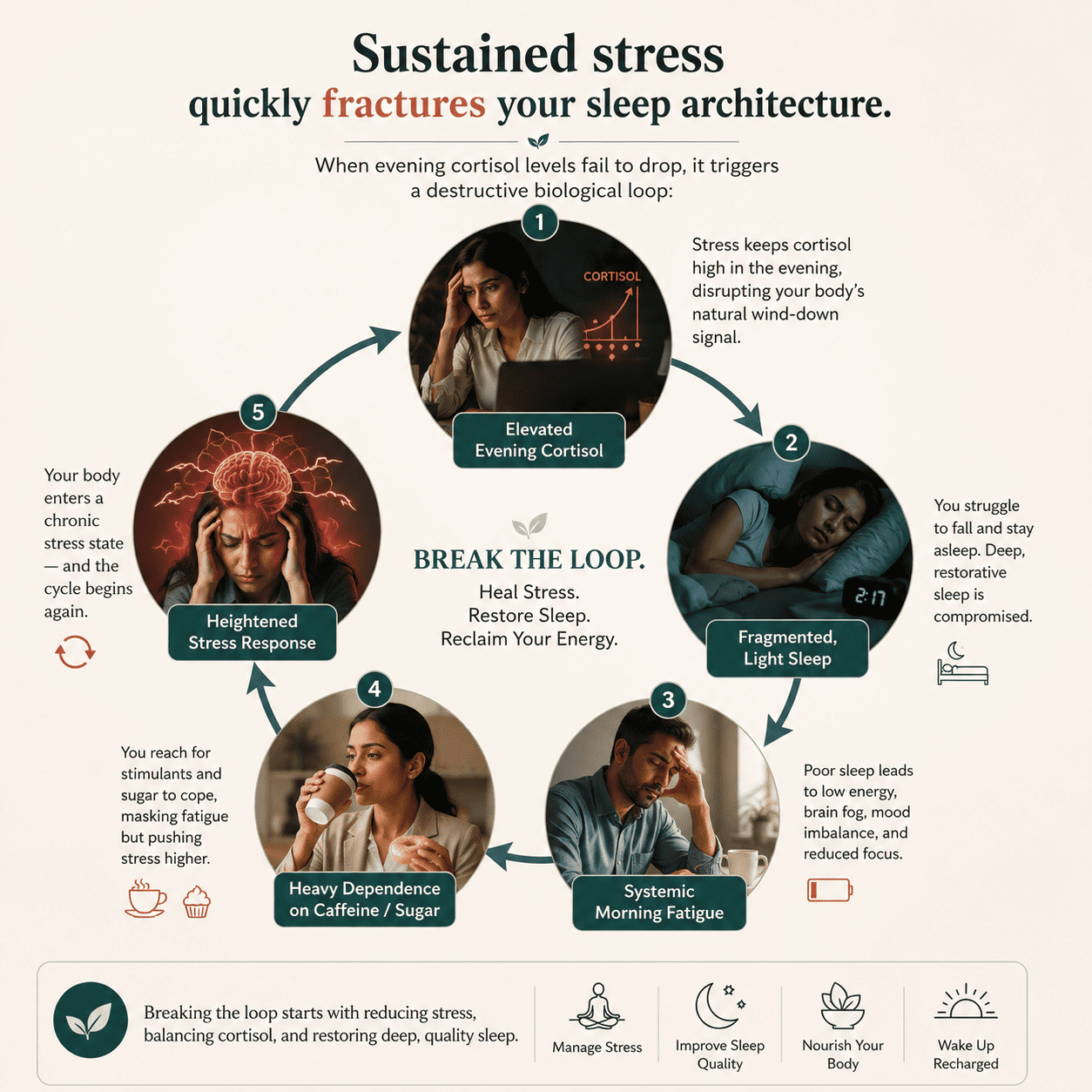
Sustained stress gradually disrupts healthy sleep architecture. When evening cortisol fails to decline, it creates a destructive biological cycle:
- You wake up feeling tired and unrefreshed.
- Fatigue increases reliance on caffeine and sugary foods.
- Blood sugar fluctuations and digestive irritation create additional stress.
- The autonomic nervous system remains trapped in a cycle of exhaustion and heightened alertness.
Breaking this cycle requires small, consistent habits that repeatedly communicate safety back to the nervous system.
The "Cortisol Belly" Reality
Abdominal fat is not a storehouse of literal "cortisol waste." Instead, it is a visible sign that your body is adapting to prolonged physiological stress.
Although genetics, age, and nutrition strongly influence body composition, chronic cortisol elevation shifts fat storage toward the abdomen through several biological pathways:
- Visceral Fat Targeting: Deep abdominal fat (visceral fat) contains a high density of glucocorticoid receptors, making it especially responsive to circulating cortisol.
- Altered Energy Balance: Prolonged stress disrupts insulin regulation, increases cravings for calorie-dense foods, and promotes fat storage around vital organs such as the liver and intestines, increasing long-term metabolic risk.
💡 Did You Know? Your brain cannot distinguish between different categories of stress. Whether you are escaping physical danger, managing a high-pressure corporate presentation, or lying awake worrying about finances, the same biological stress pathways are activated. This is why modern lifestyles leave millions feeling perpetually "wired but tired."
3. Understanding Stress Physiology & Energy Balance
- Glucocorticoid Sensitivity: Scientific research shows that visceral fat cells are highly responsive to glucocorticoids like cortisol. When cortisol remains elevated, the body prioritizes storing energy in these deep abdominal fat reserves rather than utilizing them for daily fuel.
- The Sleep Connection: Sleep deprivation significantly alters stress physiology. Poor sleep disrupts the natural daily rhythm of cortisol, preventing the hormone from dropping appropriately in the evening and encouraging continued fat storage.
- Hormonal Interplay: Cortisol helps mobilize energy during perceived threats. However, when stress is chronic and physical activity is low, this hormonal shift contributes to blood sugar fluctuations and insulin imbalance, promoting long-term fat storage.
- Nervous System Autonomy: When your body remains stuck in a sympathetic ("fight-or-flight") state, it struggles to access the parasympathetic ("rest-and-digest") state required for proper digestion, tissue repair, deep sleep, and cellular recovery.
4. Everyday Stress Accumulators (Root Cause Checklist)
Most individuals assume physiological stress stems entirely from major psychological events. In reality, modern daily routines act as chronic physical accumulators, systematically keeping the autonomic nervous system locked in survival mode.
Review this clinical checklist of the eight primary modern stressors to identify which baseline behaviours may be driving your body's stress response.
5. Evidence-Based Modality Protocols & Home Remedies
Naturopathic Home Support
- Botanical Infusions: Steep dried Tulsi (Holy Basil) leaves in hot water for five minutes. Drinking a warm cup during the late afternoon aligns with your body's natural transition toward lower evening cortisol levels while creating a calming daily ritual.
- Hydrotherapy Foot Soaking: Soak your feet in warm water with rock salt for approximately ten minutes before bedtime. This simple practice may help ease physical tension, shift attention away from an overstimulated mind, and promote whole-body relaxation.
6. The 3-Step Bedtime Reset Routine
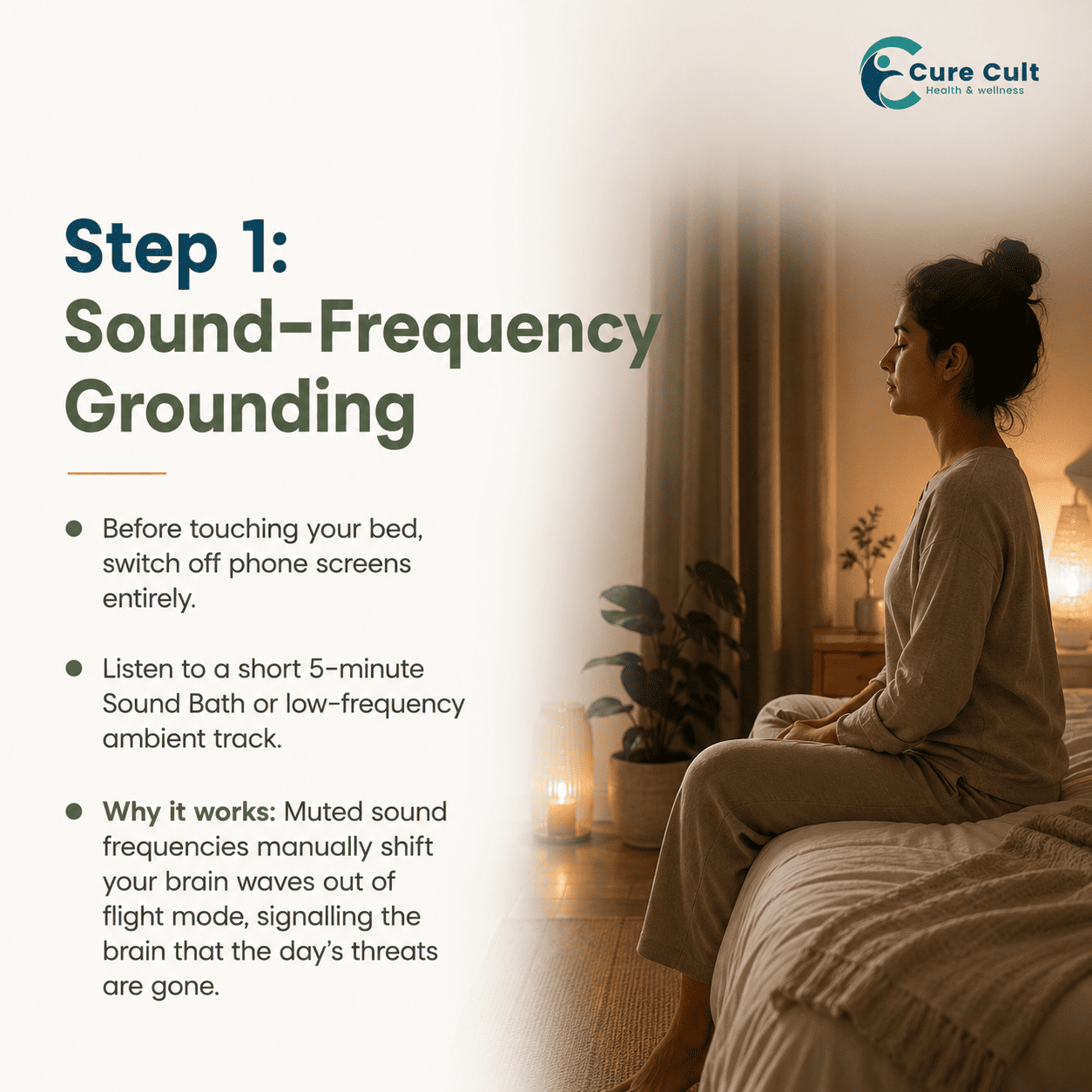 Step 1: Sound-Frequency Grounding (Naturopathic Support)
The Protocol: Before getting into bed, switch off all digital screens. Spend five minutes listening to a low-frequency ambient soundscape or a structured sound bath at a comfortable volume.
Why it Works: Gentle sound stimulation may help reduce mental overactivity by encouraging the brain to transition away from a high-alert state and prepare for rest.
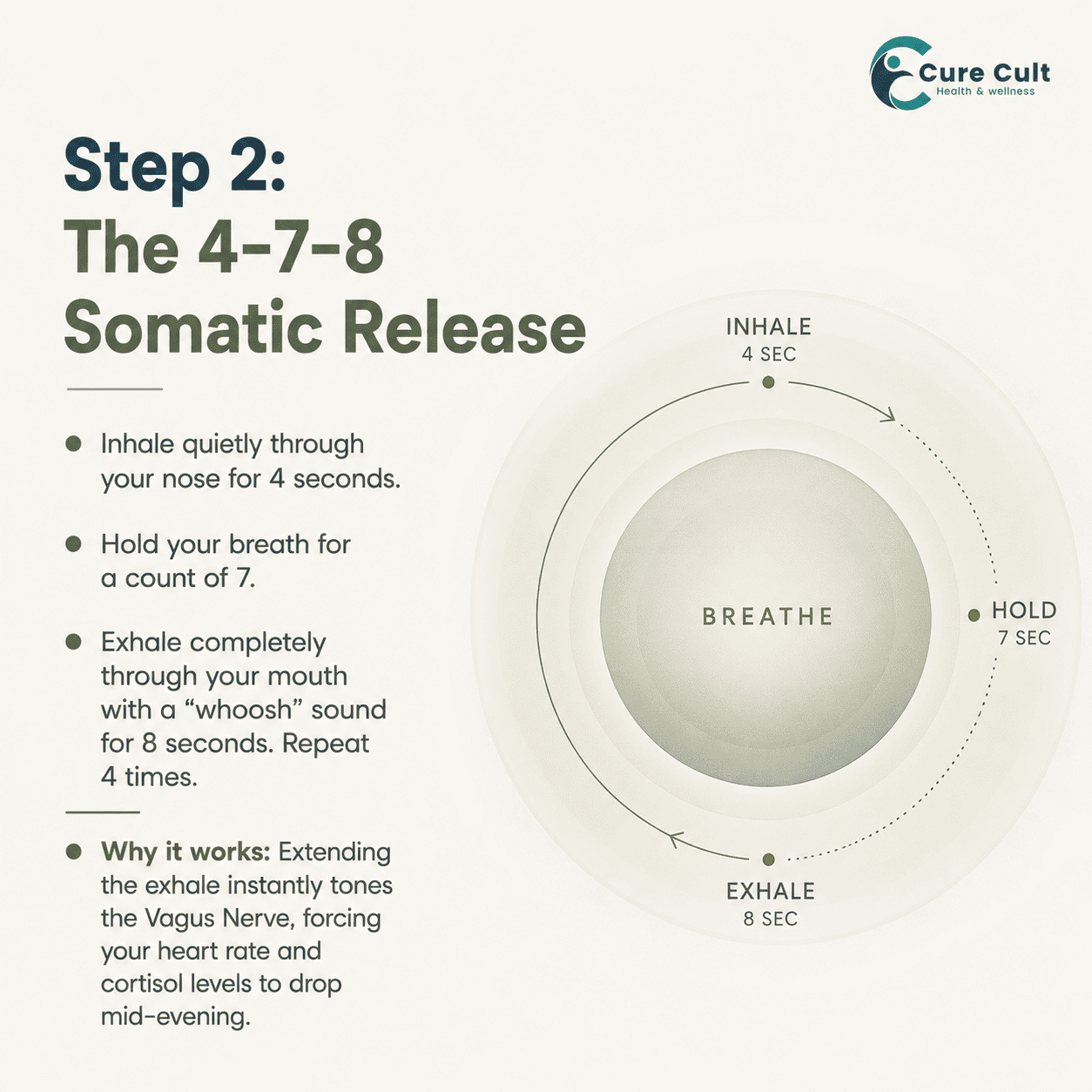 Step 2: The 4-7-8 Somatic Release (Neural Regulation)
The Protocol:
- Inhale quietly through your nose for 4 seconds.
- Hold your breath for 7 seconds.
- Exhale slowly through your mouth for 8 seconds while making a gentle "whoosh" sound.
- Repeat the sequence four times.
Why it Works: Slow, rhythmic breathing supports relaxation, improves vagal tone, and helps encourage the body's transition into a calmer physiological state before sleep.
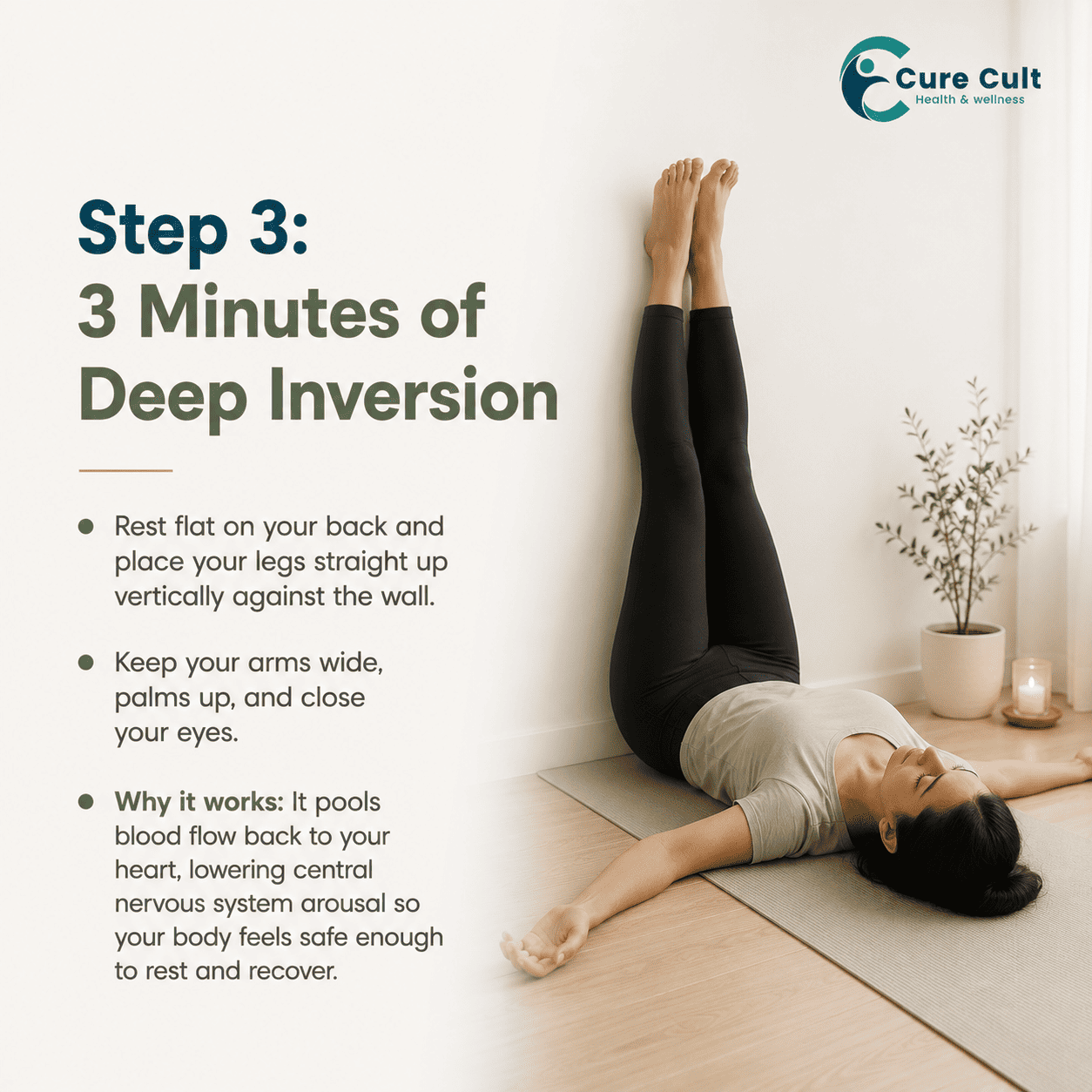 Step 3: Three Minutes of Deep Inversion (Neurotherapy Habit)
The Protocol:
- Lie flat on your back on a firm surface or yoga mat.
- Extend your legs vertically against a wall so your body forms an L-shape.
- Relax your arms beside you with your palms facing upward.
- Close your eyes and remain in this position for 3 to 5 minutes while breathing comfortably.
Why it Works: This gentle inversion encourages venous return, influences cardiovascular signalling, and may help reduce nervous system arousal, allowing the body to transition more easily into rest and recovery.
7. Strategic Do's and Don'ts by Lifestyle
💼 For the Working Professional
✅ DO
Practice regular micro-breaks. Set a timer for every 90 minutes of desk work to stand up, stretch your hip flexors, and look at a distant object for 60 seconds to reset ocular nerve strain.
❌ DON'T
Consume high amounts of caffeine in the late afternoon. Caffeine can remain in your system for several hours, keeping your nervous system alert even if you manage to fall asleep.
🏡 For the Home Maker
✅ DO
Create a dedicated daily resting window. Set aside 15–20 minutes in the afternoon completely free from domestic chores, devices, or family tasks to practice deep breathing in a quiet room.
❌ DON'T
Fall into highly irregular eating patterns or rely on sporadic grazing, as inconsistent meal timing can place additional physiological stress on your digestive system.
🌙 For the Shift Worker / Late-Night Executive
✅ DO
Maximize light control. If your sleep schedule occurs during daylight hours, use high-quality blackout curtains and a comfortable eye mask to reduce light exposure and support natural melatonin regulation.
❌ DON'T
Attempt to sleep immediately after high-pressure digital tasks. Spend at least 15 minutes listening to calming acoustic frequencies or practicing gentle stretching to help your body transition out of a high-alert state.
8. Your Roadmap to Long-Term Regulation
The three-step evening routine presented in this guide provides an excellent starting point for lowering your daily stress burden. However, chronic stress accumulation, persistent fatigue, poor sleep quality, and long-term metabolic changes are complex physiological concerns that often require an individualised approach.
Long-term recovery is most effective when a personalised plan addresses your autonomic nervous system regulation, hormonal health, sleep quality, movement patterns, and lifestyle factors together rather than focusing on a single symptom.
9. Stress Audit
How Many Hidden Stressors Are Part of Your Day?
Tick every statement that applies to you.
- ☐ I check my phone within five minutes of waking.
- ☐ I consume three or more caffeinated drinks most days.
- ☐ I spend more than six hours sitting each day.
- ☐ I rarely take movement breaks.
- ☐ I eat lunch at irregular times.
- ☐ I often eat dinner late at night.
- ☐ I continue working after official work hours.
- ☐ I use my phone while lying in bed.
- ☐ I sleep with notifications turned on.
- ☐ I frequently wake up feeling tired rather than refreshed.
- ☐ I struggle to relax without looking at a screen.
- ☐ I rarely spend time outdoors during daylight hours.
Scoring Guide
- 0–3: Your daily routine appears to include several healthy recovery habits. Continue building on these positive behaviours.
- 4–7: Some lifestyle habits may be placing unnecessary demands on your nervous system. Small, consistent improvements could make a noticeable difference.
- 8 or More: Your current routine may be significantly limiting your body's ability to recover effectively. Reviewing your lifestyle and seeking personalised guidance may help create a more sustainable recovery plan.
Remember: This checklist is intended for self-reflection only. It is not a diagnostic tool and should not replace professional medical assessment.
10. The Next Step: Comprehensive Clinical Evaluation
Moving from general lifestyle advice to meaningful long-term recovery often requires a personalised clinical assessment. Cure Cult brings together experienced practitioners from multiple disciplines to help evaluate and manage stress-related health concerns through an integrative approach.
Our Clinical Focus Areas
- Neural & Hormonal Rehabilitation: Personalised home-care and teleconsultation protocols led by Neural Regulation specialists to support autonomic nervous system balance, chronic migraines, stress-related hypertension, and nervous system recovery.
- Naturopathy & Lifestyle Medicine: Individualised metabolic recovery programmes developed by experienced naturopathic practitioners to address the underlying contributors to chronic fatigue, poor sleep, stress overload, and metabolic dysfunction.
When Should You Consider Professional Support?
You may benefit from a personalised consultation if you are experiencing:
- Persistent abdominal weight despite lifestyle changes.
- Chronic morning fatigue.
- Difficulty falling asleep or staying asleep.
- Excessive overthinking or mental restlessness.
- Long-term stress that affects your daily wellbeing.
Book a Consultation
If you believe chronic stress may be affecting your sleep, metabolism, or overall wellbeing, our multidisciplinary team can help you build a structured recovery plan tailored to your individual needs.
Get Started:
- Click the link in our Instagram Bio to schedule a video consultation.
- Reply to our Instagram DM with the word "CONSULT" to check this week's availability.
- Or simply send us your query through the Cure Cult platform by clicking here, and one of our representatives will help you connect with the most appropriate specialist.
Medical Disclaimer
This guide is intended for educational purposes only and should not be interpreted as medical advice, diagnosis, or treatment. The information provided is designed to support health education and encourage healthy lifestyle practices. Always consult a qualified healthcare professional regarding persistent symptoms, medical conditions, or before making significant changes to your healthcare routine.